
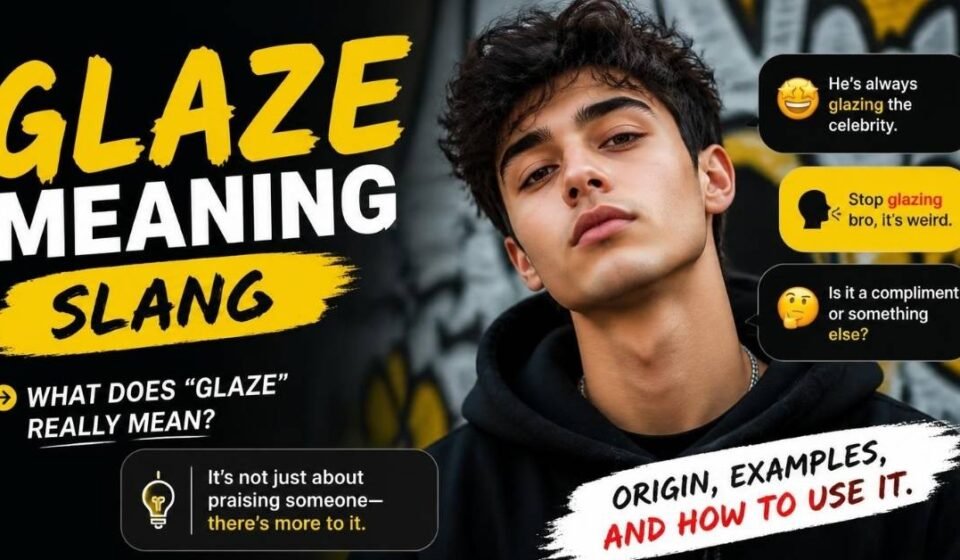
Someone drops “stop glazing” in your group chat and you freeze. Is that a compliment, a roast, or something worse?Glaze meaning in internet slang is simple. To glaze someone is to give them excessive praise or over-the-top admiration, usually more than they’ve earned.
You’ll hear it in TikTok comments, Twitch chats, and group chats every day. This guide breaks down where it came from, how people use it, and how to respond without feeling awkward.
Glaze Meaning: Quick Definition
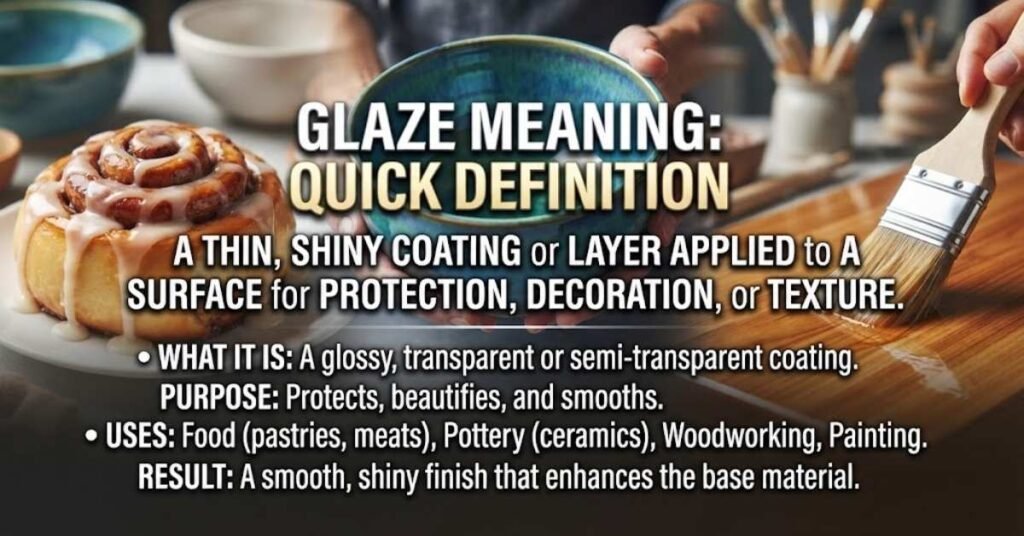
If you’ve ever wondered whether “glaze” is good or bad, you’re not alone. The word carries a different weight depending on who says it and why.
Simple Meaning
Glaze is a slang term for constant praise that feels biased or too much. It points to blind support, favoritism, and a clear lack of objectivity.
Think of it as hero worship in casual language. The person doing it is called a glazer.
Quick Examples
Your friend says his favorite rapper never makes a bad song. You reply, “Bro is glazing,” because even great artists miss sometimes.
Another example: a fan claims a striker is better than every legend in history. That’s glazing, since the claim ignores balanced judgment.
Origin and Background of Glaze
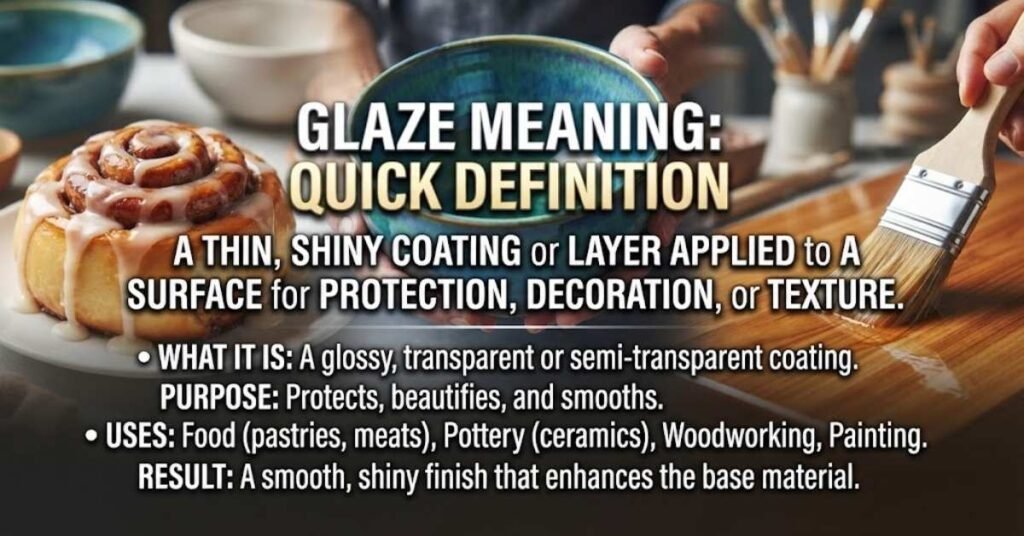
The word has a much older life outside the internet. In pottery and ceramic art, a glaze is a glossy finish, a shiny coating that gives a piece its protective coating. Bakers use a sugar glaze on a doughnut, and a surface layer of sweetness is the point.
That image explains the slang. Glazing something means covering it in a sweet, shiny layer that hides the flaws.
The slang sense grew out of online spaces, especially Twitch, YouTube comments, and Black internet culture, before it spread everywhere. Many people link its rise to big streamers and meme culture around 2023 and 2024. It also started as a cleaner stand-in for a cruder phrase, which is why some older users still see it as a bit edgy.
Real-Life Conversations
Definitions only go so far. Here’s how glazing sounds in real online conversations.
WhatsApp Chat
Sara: He’s literally the best captain we’ve ever had. Ali: He lost four matches in a row. Sara: Still the best. Ali: Okay, stop glazing him.
Instagram DM
Zain: Did you see her new Reel? Pure genius. Hira: It’s a lip sync with a filter. Zain: You just don’t get art. Hira: You’re glazing hard today.
TikTok Comments
User 1: This creator has never made a bad video. User 2: The glaze never stops in this comment section. User 3: I’m just stating facts.
Text Message
Friend: My boss is a visionary. You: He microwaved fish in the office. Friend: Fair point, but still a visionary.
Emotional and Psychological Meaning
Nobody glazes for no reason. Behind the slang expression, there’s usually a feeling that drives it.
1. Fan Culture
Strong fan behavior turns people into defenders. Online fandom rewards loud loyalty, so fanboying gets easy applause.
2. Group Loyalty
Backing your team feels natural, even when they’re wrong. That’s group loyalty, and it often produces biased support without anyone noticing.
3. Social Validation
Praise can also chase approval. When a fan hypes a public figure and gets likes for it, the validation feeds the habit.
4. Identity and Belonging
Sometimes a favorite player or artist becomes part of who you are. That kind of emotional attachment makes criticism feel personal, and it shapes identity and belonging more than people admit.
Usage in Different Contexts
The same word can land very differently across settings. Tone and audience decide everything.
Social Media
On TikTok, Instagram Reels, and X (Twitter), glaze shows up in the comment section under nearly every viral clip. Short-form videos move fast, so users use the word as a quick tease.
Friends and Relationships
Among friends, it’s usually playful banter. In relationships, though, “you’re glazing her” can sting if it hints at obsession or favoritism.
Sports Discussions
Sports fans live for this word. Any debate about the best athlete ever ends with someone getting called a glazer.
Gaming Communities
Gamers glaze streamers, pro players, and even developers who ship one good patch. In gaming communities, it often means overrating a player’s skill.
Work or Professional Settings
At work, the word is risky. Calling a manager or supervisor a glazer in business meetings can feel rude, so keep it out of formal emails.
Casual vs Serious Tone
Between friends, it’s humor and teasing. In a serious argument, the same word can sound like a dismissal of someone’s opinion.
Common Misunderstandings
Many people get the word slightly wrong. These are the slips that cause the most confusion.
Mistake #1: Thinking It Means Simple Compliments
A sincere “great job” isn’t glazing. Normal praise stays proportionate, while glazing goes past what’s earned.
Mistake #2: Assuming It Is Always Negative
Friends often use it as a joke. “Bro is glazing” can be light humor, not an attack.
Mistake #3: Using It in Formal Situations
The word belongs to informal language. Skip it in academic writing and professional communication, where “showing favoritism” or “being biased” works better.
Mistake #4: Confusing It With Genuine Respect
Real admiration comes with reasons. Glazing praises the person no matter what they do.
Comparison Table
Sometimes a side by side view clears things up faster than a paragraph. This table shows how glazing differs from its close cousins.
| Behavior | Tone | Based On | Example |
| Glazing | Excessive, biased | Loyalty or attachment | “He never misses, ever.” |
| Normal praise | Fair, measured | Actual results | “That was a solid game.” |
| Genuine respect | Honest, steady | Real qualities | “I respect how he trains.” |
| Constructive criticism | Balanced | Facts and honest feedback | “Great skills, weak defense.” |
Key Insight
The dividing line is objectivity. If the praise survives a reality check, it’s fair support, and if it ignores every flaw, it’s glazing.
Variations and Types of Glazing
Glazing has many flavors. Here are the ten you’ll run into most.
1. Celebrity Glazing
Fans defend celebrities, actors, and musicians against every complaint. Every album becomes a masterpiece, no matter what.
2. Sports Glazing
An athlete gets crowned greatest of all time after one good season. It’s the most common type in sports discussions.
3. Gamer Glazing
Viewers hype a streamer for an average play. Twitch chat can turn one clutch moment into a legend.
4. Relationship Glazing
One partner overpraises the other, often to keep the peace. A girlfriend or partner might do it out of love, though friends often notice the imbalance first.
5. Friend Glazing
Your best friend calls your terrible haircut iconic. It’s playful and usually harmless.
6. Boss Glazing
Someone flatters the boss for a promotion. Coworkers spot it fast, and it rarely earns respect.
7. Brand Glazing
Loyal customers defend a company’s every product. You’ll see it in phone wars and sneaker debates.
8. Political Glazing
Supporters excuse every move a leader makes. This one gets heated quickly, so tread carefully.
9. Creator Glazing
YouTubers and influencers collect devoted followers who treat each upload as genius. The comment thread fills with hype within minutes.
10. Self-Glazing
Self-glazing means praising yourself too much. Someone who brags about their own wins nonstop is glazing themselves, and people usually notice.
How to Respond When Someone Uses It
Getting called a glazer can feel odd. Your reply depends on the mood and the person.
Casual Replies
Keep it light. Try “Maybe a little” or “Fair point, I’ll calm down.”
Funny Replies
Lean into it with humor. “I’m a professional glazer, it’s a full time job” usually gets a laugh.
Mature and Confident Replies
If you truly mean your praise, say so. Something like “I just think his stats back it up” shows confidence without getting defensive.
Private and Respectful Replies
If the comment stings, take it to a DM. A calm “I hear you, let’s talk about it” keeps things kind.
Regional and Cultural Usage
Slang travels, but it changes shape. Here’s how glazing lands in different parts of the world.
Western Culture
In the US and UK, the word is everywhere among English-speaking users. Streamers and sports fans pushed it into daily talk.
Asian Culture
Younger users in Asia pick it up through TikTok and gaming streams. Many mix it into local languages as an international internet vocabulary borrow.
Middle Eastern Culture
Bilingual teens in the region use it in WhatsApp chats and gaming servers. Adults often need it explained, since the word has no direct match in everyday speech.
Global Internet Usage
The global internet culture treats it as shared shorthand. A gamer in Lahore and a fan in Toronto can both use it and be understood.
Why the Word Spread So Fast
A few things pushed glaze from niche to normal. Streaming clips, reaction videos, and meme culture made it easy to repeat.
Short words with sharp meanings travel well. It fits neatly in a comment, a caption, or a quick reply.
When Glazing Goes Too Far
Harmless hype can slowly turn into a problem. Ignoring every flaw can hurt trust, especially in relationships and at work.
Ask yourself a quick question before you hype someone. Would you say the same thing if a stranger did the exact same thing?
Conclusion
Glaze meaning comes down to one idea, which is excessive praise that skips honesty. The word started in pottery and baking, then took on new life in digital culture.Use it with friends, and keep it away from formal emails.
Have you been called a glazer lately, or caught yourself doing it? Drop your story in the comments and share this with a friend who needs the explanation.
FAQs
What does glaze mean in slang?
It means giving someone excessive admiration or praise, often without balance. The person doing it is a glazer.
Is glazing always negative?
No. Context matters, and a friendly joke rarely carries bad intent.
Where did the slang glaze come from?
It grew from the sweet, shiny doughnut glaze image and spread through Twitch, YouTube, and TikTok. Its popularity exploded in the early 2020s.
Can glaze be used in professional settings?
It’s best avoided. Use “biased” or “overly supportive” in professional communication instead.
What is the opposite of glazing?
Constructive criticism and honest feedback sit on the other side. A neutral opinion based on facts is the healthiest middle ground.

Matt Henry is a writer and researcher at Trexoleen, specializing in text meanings, slang, abbreviations, acronyms, and modern internet language. He is passionate about making confusing terms simple and easy to understand.