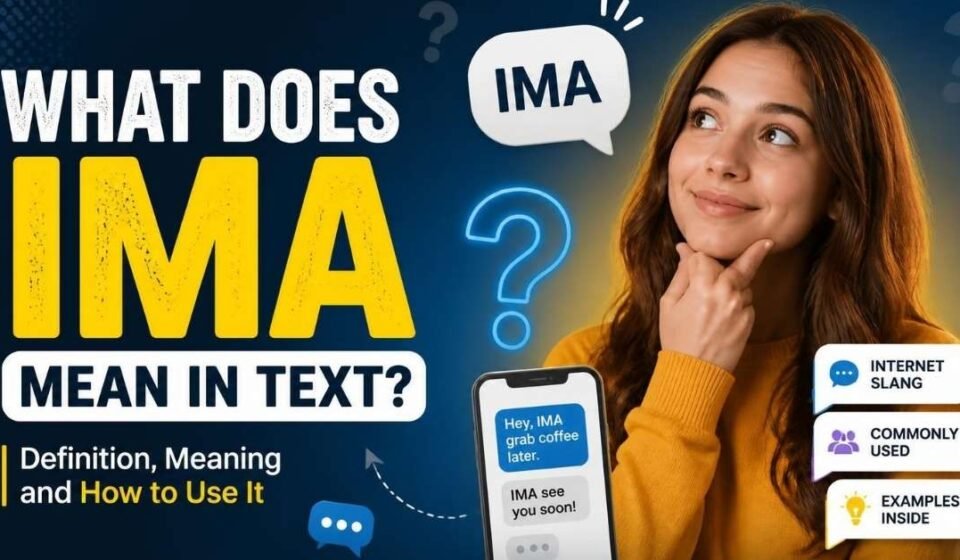
You saw someone type “ima” and your brain did a little stutter. Is it a typo? A name? Some new slang you missed the memo on? Relax, you’re not behind on anything weird.”Ima” simply means “I am going to” or “I am about to.” It’s a phonetic spelling of how people actually talk, not a mistake and not some secret code. Someone who types “ima call you later” is just saying they plan to call you later, minus the extra letters.
Once you know that, the rest is easy. But there’s more texture here worth understanding, especially if you want to use it right, respond to it well, or just stop second guessing every chat you get.
Ima Meaning – Quick Definition
At its core, “ima” is a casual language shortcut for expressing future intention. It comes from the natural way “I’m going to” gets squished together when people talk fast.
Think about how you actually say that phrase out loud. Nobody pronounces every syllable crisply. It comes out closer to “imuna” or “ima,” and texting just caught up to how speech already worked.
Simple Examples
- “Ima grab coffee before class.”
- “Ima be there in ten.”
- “Ima think about it and get back to you.”
Each one swaps out “I am going to” for the shorter, punchier version. Same meaning, way less typing.
Quick Summary
“Ima” equals I am going to or I am about to. It’s internet slang rooted in spoken American English, common across texting, DMs, and comments. It’s informal, so save it for casual conversations, not your resignation letter.
Origin and Background of “Ima”
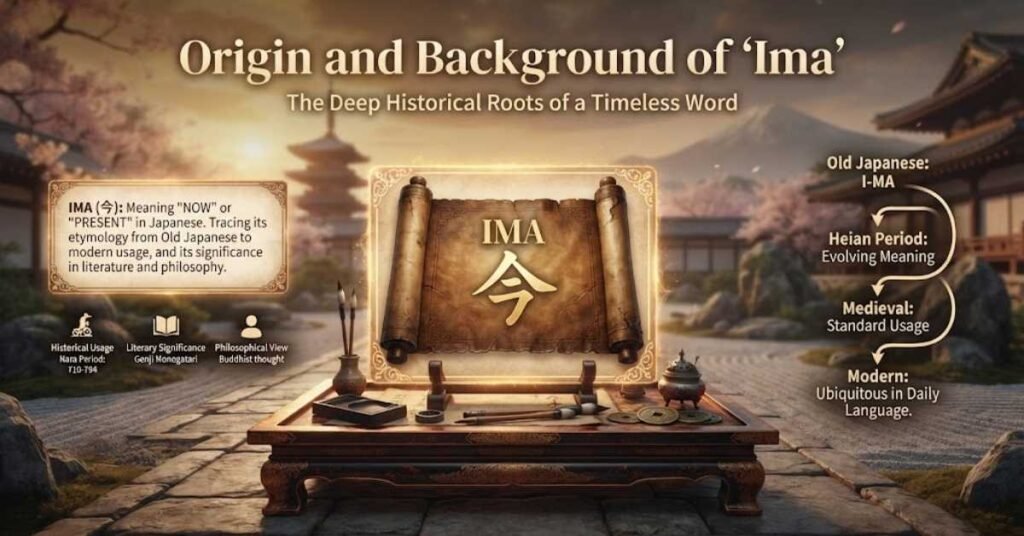
This phrase didn’t start online. It’s been part of spoken language in American English for decades, especially in hip hop culture and everyday speech across the United States.
Music helped push it into the mainstream. Lyrics have used “ima” and “imma” for years, and listeners picked it up naturally. Then texting and social media gave it a permanent home.
By the time TikTok and Instagram exploded, “ima” wasn’t a trend anymore. It was just how a huge chunk of internet users talked, full stop.
Real-Life Conversations Using “Ima”
Reading a definition only gets you so far. Seeing “ima” in the wild makes it click faster than any explanation ever could.
WhatsApp Conversation
Friend: “You coming to the party?” You: “Ima try, no promises tho.”
Short, honest, zero pressure. That’s the whole vibe of casual conversations in one line.
Instagram DM
“Ima post the results tomorrow, stay tuned.”
This is announcement energy. Someone’s telling followers what’s coming without sounding like a press release.
TikTok Comments
“Ima need a part two of this fr fr.”
Comment sections thrive on this kind of shorthand. It reads fast, sounds natural, and matches the pace of scrolling.
Text Message
“Running late, ima be there in 15.”
Practical, quick, and it gets the point across without wasting anyone’s time.
Emotional and Psychological Meaning Behind “Ima”
Words carry more than definitions. The way you phrase something changes how it lands, and “ima” does specific emotional work.
It Creates Informality
Using “ima” instead of “I am going to” instantly relaxes a conversation. It signals you’re not being stiff or formal, you’re just talking like a person.
That small shift matters. It tells the other side this is a low pressure, comfortable exchange, not a formal announcement.
It Signals Immediate Intention
There’s an urgency baked into “ima” that plain future tense doesn’t quite carry. It leans toward something happening soon, not someday.
“I am going to eventually clean my room” feels distant. “Ima clean my room” feels like it’s actually on the to do list today.
It Builds Social Connection
Slang works like a handshake. When you use the same informal expression as the person you’re talking to, it builds emotional closeness without either of you saying it out loud.
That’s part of why it spreads so fast among friend groups. It’s less about the words and more about shared rhythm.
How “Ima” Is Used in Different Contexts
Context changes everything with slang. “Ima” fits beautifully in some places and sticks out awkwardly in others.
Social Media
TikTok, Instagram, Snapchat, and X are basically its home turf. Captions, comments, and DMs all lean informal, so “ima” blends right in.
Friends and Relationships
Texting friends or family chats is prime territory too. Nobody’s grading your grammar in a group chat about weekend plans.
Work and Professional Settings
This is where it gets risky. Business emails, professional presentations, and job applications call for standard grammar, and “ima” simply doesn’t belong there.
Casual vs. Serious Situations
The rule of thumb is simple: casual mood, casual words. Serious documents, formal grammar. Mixing them up sends the wrong signal about how seriously you’re taking a conversation.
Common Misunderstandings About “Ima”
A lot of confusion around this word comes from assumptions nobody bothered to check. Let’s clear a few up.
Misunderstanding #1: It’s a Typing Error
It’s not a typo, it’s a deliberate phonetic spelling. People type it this way on purpose because it matches how the phrase sounds out loud.
Misunderstanding #2: Everyone Uses It the Same Way
Regions, age groups, and even individual friend circles tweak it slightly. Some say “imma,” some say “i’ma,” and both mean the exact same thing.
Misunderstanding #3: It’s Appropriate Everywhere
Just because it’s everywhere online doesn’t make it fit everywhere in life. Context still rules, and academic writing or legal documents are not the place for it.
Misunderstanding #4: It Always Means the Exact Same Thing
Tone shifts the meaning slightly. “Ima be honest” carries a different weight than “ima go,” even though both use the same base phrase.
Comparison Table
| Term | Meaning | Best Used In |
| Ima | I am going to / I am about to | Texting, social media, casual chats |
| Imma | Same as Ima, alternate spelling | Same as Ima |
| I’ma | Same meaning, apostrophe style | Same as Ima |
| Gonna | Going to | Casual speech, slightly more common in writing |
| I’ll | I will | Slightly more decisive, still casual |
| Standard “I am going to” | Full formal phrase | Emails, resumes, professional writing |
Key Insight
None of these words are wrong, they just live in different rooms of the same house. Pick based on where you’re standing, not just what sounds cool.
Variations and Types of “Ima”
Since “ima” is flexible, it shows up glued to all kinds of verbs. Here are the most common combinations you’ll run into.
1. Ima
The base form, standing alone before an action word gets added.
2. Imma
The double m spelling, popular in music lyrics and casual texting alike.
3. I’ma
The apostrophe version, a small nod to its contraction roots.
4. Ima Go
Announcing you’re about to leave, no long explanation needed.
5. Ima Try
A softer commitment, leaving room for things not working out.
6. Ima See
Used when you’re staying noncommittal on purpose.
7. Ima Be Honest
A classic setup line before dropping some real talk.
8. Ima Head Out
The polite exit line for group chats and hangouts alike.
9. Ima Call You
A direct, no fuss way to confirm a phone call is coming.
10. Ima Think About It
The gentle way to say “not yet, but maybe.”
How to Respond When Someone Uses “Ima”
Getting an “ima” text doesn’t require a whole strategy, but matching tone makes conversations flow better.
Casual Replies
“Sounds good” or “okay, cool” keep things light and easy, matching the energy you were given.
Funny Replies
“Ima hold you to that” works great when you want to tease without any real pressure attached.
Mature and Confident Replies
“Let me know” or “no problem” show you’re relaxed but still paying attention.
Private or Respectful Replies
“Take your time” or “reach out whenever” work well when the other person seems unsure or busy.
Regional and Cultural Usage of “Ima”
Slang doesn’t spread evenly, and “ima” tells an interesting story about where and how it took hold.
Western Culture
North America, especially the United States, is where “ima” grew roots deepest, largely through hip hop culture and everyday spoken American English.
Asian Culture
Through streaming platforms and gaming communities, English speaking users across Asia picked it up as part of broader internet culture, often mixing it into multilingual chats.
Middle Eastern Culture
Younger, English fluent users in the region use it in DMs and comments, usually alongside their native language rather than replacing it.
Global Internet Usage
At this point, global internet usage has flattened a lot of regional lines. Short form video content moves so fast that slang barely has time to stay local before it’s everywhere.
Why “Ima” Keeps Spreading Through Meme Culture
Meme culture rewards phrases that are short, punchy, and easy to repeat, and “ima” checks every box. It fits neatly into captions, reaction videos, and comment threads without eating up character space.
Every time a creator uses it in a viral clip, thousands of viewers absorb it without even trying. That’s how internet expressions spread faster than any dictionary could track.
Ima vs Gonna vs I’ll: Picking the Right One
These three often get lumped together, but they carry slightly different energy. “Gonna” feels neutral and common in both speech and writing. “I’ll” sounds more decisive and immediate.
“Ima” sits somewhere in between, casual but still specific about timing. Choosing the right one comes down to how relaxed or direct you want to sound in that exact moment.
Conclusion
“Ima” isn’t complicated once you strip away the mystery. It just means I am going to, dressed in the comfortable clothes of spoken language instead of textbook grammar.Use it with friends, in DMs, on socials, anywhere the mood is casual. Skip it in emails, resumes, or anything that needs to look polished.
Simple as that.Next time someone sends you “ima call you later,” you won’t pause for even a second. You’ll just wait for the call.
FAQs
What does “ima” mean in texting?
It means “I am going to” or “I am about to.” It’s a phonetic spelling used in casual conversations across texting and social platforms.
Is “ima” proper English?
No, it’s informal language, not standard grammar. It works fine in casual settings but not in formal writing.
What’s the difference between “ima” and “imma”?
Nothing meaningful, they’re just spelling variations of the same contraction form. Pick whichever feels natural to you.
Is “ima” used on TikTok?
Constantly. TikTok comments and captions use it heavily because it matches the platform’s fast, casual tone.
Can adults use “ima”?
Absolutely. It’s not tied to age, it’s tied to tone. Plenty of adults use it in texts, DMs, and social posts every day.
Should I use “ima” at work?
Stick to professional communication and standard English at work. Save “ima” for after hours chats with coworkers you’re close with.
Is “ima” rude?
Not at all. It’s simply informal. Rudeness depends on what you say, not the shortcut you use to say it.

Matt Henry is a writer and researcher at Trexoleen, specializing in text meanings, slang, abbreviations, acronyms, and modern internet language. He is passionate about making confusing terms simple and easy to understand.