
You are mid conversation, you send a message, and the reply is just one word: “uhm.” No smiley, no explanation, nothing else. So you sit there wondering what it actually means.
You are not overthinking it. “Uhm” is one of the most common filler words in texting, and it carries more emotional weight than its three letters suggest. This guide breaks down exactly what it means, where it comes from, and how to read it correctly across every platform in 2026.
What Does Uhm Mean in Text
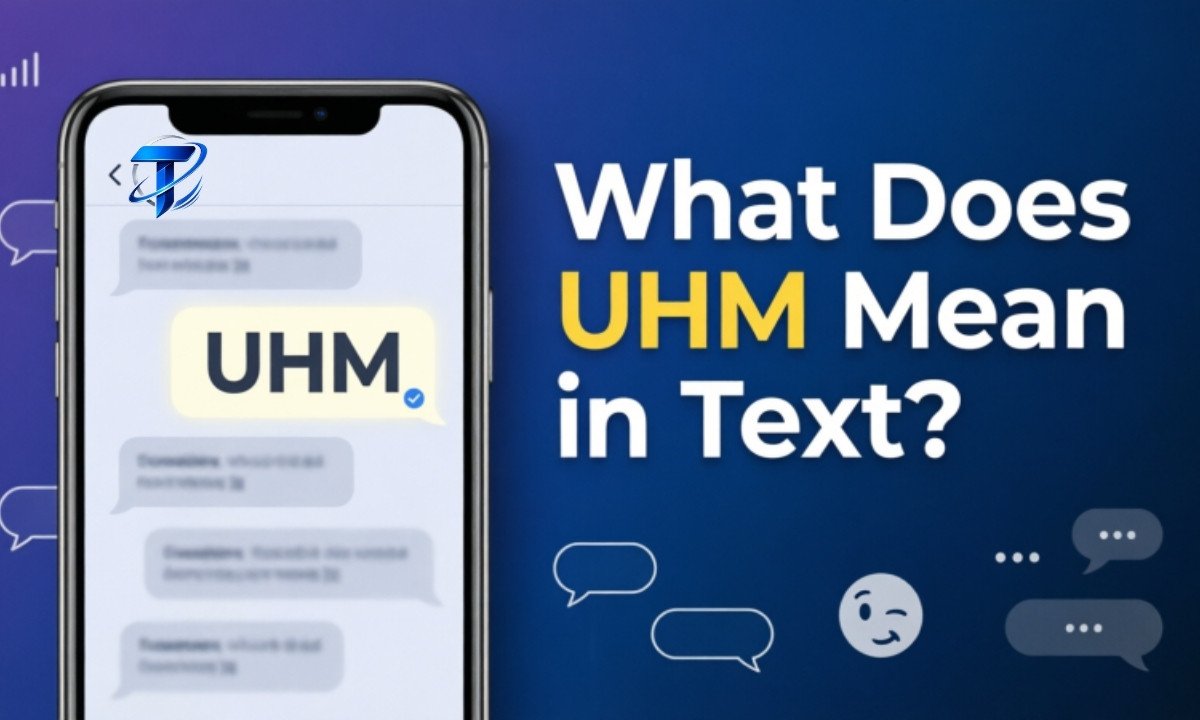
“Uhm” in text is the written form of a spoken pause. It signals that the sender is thinking, hesitant, unsure, or mildly surprised before responding. It carries no fixed emotion on its own, the tone comes entirely from the context, punctuation, and the conversation around it.
Why People Type Uhm Instead of Saying It
Speech has pauses built in. Texting does not. When you talk to someone face to face, a pause, a half smile, or a stretched out “um” tells the listener you’re thinking without you having to explain it.
Text strips all of that away. There is no tone of voice, no facial expression, no timing. So people started typing the sound they would normally make out loud. “Uhm” became the written stand in for that spoken pause, and it stuck.
It is not slang in the traditional sense. It is not an acronym like “brb” or “idk.” It is a phonetic spelling, a sound turned into letters, which is part of why its meaning is harder to pin down than a standard abbreviation.
Read Also : HRU Meaning in Text
Where Uhm Comes From
Filler words like “um,” “uh,” and “er” have existed in spoken English for a very long time. Linguists refer to them as filled pauses, sounds people make to hold their place in a conversation while they organize a thought.
The written version followed naturally once real time messaging took off. Early chatrooms and instant messengers in the late 1990s and early 2000s saw people typing these sounds exactly as they said them out loud. The goal was simple: make text feel less robotic and more like an actual conversation.
The extra “h” in “uhm” compared to “um” is mostly stylistic. It visually stretches the pause, which some people feel matches the way they actually say it.
The Core Meanings of Uhm in a Text
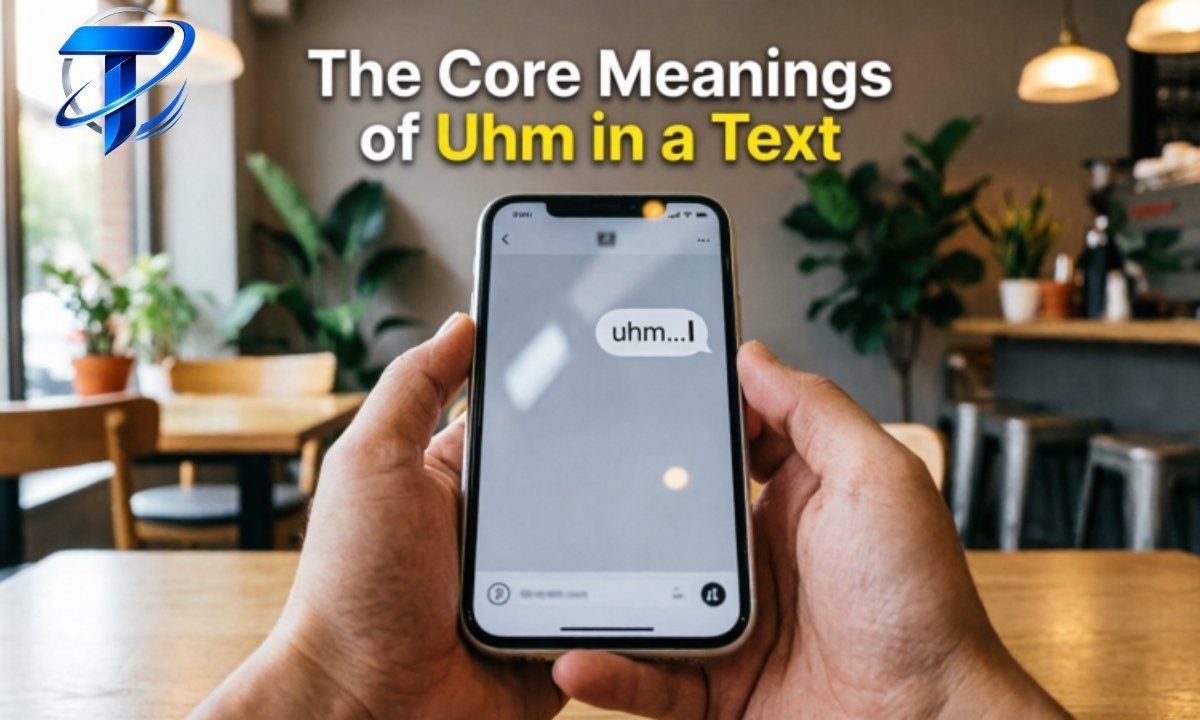
“Uhm” usually falls into one of these categories, depending on context:
- Thinking – the sender needs a second before answering
- Hesitation – they are unsure how to respond
- Surprise – something caught them off guard
- Mild disagreement – a soft way to push back without sounding harsh
- Discomfort – the topic feels awkward or sensitive
- Buying time – a placeholder while they type a fuller reply
None of these meanings are locked in by the word itself. The same three letters can mean five different things depending on who sent it and what came before it.
Uhm vs Similar Filler Words
| Word | Typical Tone | Best Used For |
| Uhm | Soft, thoughtful, slightly drawn out | General hesitation or thinking |
| Um | Neutral, plain | Quick pause, casual chats |
| Uh | Blunt, sometimes surprised | Sudden reactions, confusion |
| Hmm | Reflective, considering | Weighing an idea or decision |
| Erm | British leaning, awkward | Polite hesitation, mild discomfort |
None of these are wrong to use interchangeably. The differences are more about personal style and regional habit than strict rules.
Is Uhm the Same as Um
Yes, functionally they mean the same thing. “Uhm” is simply a stretched or slightly more expressive spelling of “um.” Some people feel “uhm” reads as more deliberate or thoughtful, while “um” feels quicker and more casual, but there is no real rule separating them.
Click Here To Read : HGS Meaning in Text
How Punctuation Changes the Meaning
This is the part most guides skip, and it matters more than the word itself. The punctuation attached to “uhm” often carries the real signal.
- “Uhm.” – flat, could read as annoyed or closed off
- “Uhm…” – trailing off, genuine hesitation or thinking
- “Uhm?” – confusion or a request for clarification
- “Uhm!” – rare, usually sarcastic or exaggerated surprise
- “Uhmmm” – stretched out, signals a longer or more dramatic pause
If you are trying to read someone’s tone, look at what follows the word before you assume the worst. A lone “Uhm.” after a bold question can feel cold, while “Uhm… let me think” reads as completely harmless.
How Uhm Is Used Across Platforms in 2026

The core meaning does not change much between apps, but the flavor shifts depending on where you see it.
- WhatsApp – mostly genuine hesitation or thinking, common in everyday chats with friends and family
- Instagram DMs – can lean toward soft disagreement or uncertainty, especially in one on one conversations
- TikTok comments – often playful or sarcastic, used for comedic timing rather than real hesitation
- Snapchat – casual, quick, usually just a pause between friends
- Group chats – frequently used to stall for time before committing to an answer everyone can see
Real Text Examples
Here is how “uhm” plays out in actual conversations:
Example 1 Friend: “Do you want to come out tonight?” You: “Uhm… I’m not sure, maybe later.”
Example 2 Friend: “Did you eat already?” You: “Uhm, I had a snack, but not dinner.”
Example 3 Group chat: “Who’s bringing snacks?” You: “Uhm… I guess I can bring some.”
Example 4 A: “I won the lottery.” B: “Uhm… wait, seriously?”
Example 5 A: “Can you finish the report tonight?” B: “Uhm… that might be tough, but I’ll try.”
In every case, the word itself is neutral. What changes the meaning is the situation it drops into.
What’s New in 2026: How Uhm Has Shifted
A few things have changed in how “uhm” gets used compared to a couple of years ago, and most guides on this topic have not caught up.
It now shows up heavily in AI and voice to text conversations. As more people dictate messages instead of typing them, speech to text tools are picking up natural verbal fillers and transcribing them as “uhm” automatically. This means you will see it appear in messages the sender never consciously typed, which adds a layer of noise to reading intent from it.
Gen Z has turned it into a tone marker more than a hesitation marker. In 2026 texting culture, especially on TikTok and Instagram, “uhm” is frequently used with zero actual uncertainty behind it. It functions closer to a raised eyebrow in text form, a way to call something out or react with mild judgment without writing a full sentence. “Uhm bestie, you forgot the caption” is not hesitation, it is commentary.
Workplace messaging apps are seeing more casual filler use overall. As Slack, Teams, and similar tools become the default for quick internal chat, informal fillers like “uhm” have crept into professional spaces more than they used to, though it is still best avoided in anything formal like emails or client facing messages.
Stretched spellings are doing more emotional work. “Uhmmm” versus “uhm” versus “uhm.” now reads as a small scale of intensity, similar to how “yes” and “yesss” differ. The longer the spelling, the bigger the reaction or the longer the implied pause.
When to Use Uhm and When to Avoid It
When it works well
- Casual chats with friends or family
- Softening a response you’re not fully confident about
- Reacting to something unexpected in an informal setting
- Buying a moment before answering a tricky question
When to skip it
- Professional emails or formal business messages
- First conversations with someone you do not know well, where it can read as unsure or unprepared
- Situations where clarity matters more than tone, like confirming plans or giving instructions
- Any message where you want to sound confident and direct
How to Respond When Someone Sends You Uhm
If a conversation stalls on a lone “uhm,” resist the urge to flood them with follow up messages. It usually means they need a second to think, not that something is wrong.
A few solid ways to respond:
- Give it a beat before replying again
- Ask a light, low pressure question like “you good?” or “take your time”
- If it felt sarcastic or pointed, you can address it directly: “okay, say what you’re thinking”
- Match their tone rather than escalating it
Reading too much into a single “uhm” is one of the most common texting mistakes. Context almost always matters more than the word itself.
Frequently Asked Questions
Is Uhm Rude in a Text
Not usually. On its own, “uhm” is neutral. It only reads as rude when paired with sharp punctuation, a dismissive follow up, or a tone that was already tense before it showed up.
Is Uhm Formal or Informal
It is informal. It fits casual texting, comments, and DMs, but it does not belong in professional emails, cover letters, or any writing where you want to sound polished and direct.
Does Uhm Mean Someone Is Upset
Not by default. It can signal discomfort or mild frustration depending on context, but on its own it more often just means the person is thinking or unsure how to answer.
Why Do People Spell It Uhm Instead of Um
Some feel “uhm” visually stretches the pause and looks closer to how they actually say it out loud. Others simply prefer the look of it. Neither spelling is more correct, the meaning stays the same either way.
Will Uhm Stay Relevant Going Forward
Yes. Filler words mirror natural speech, and texting keeps moving closer to how people actually talk rather than away from it. With voice to text tools now transcribing spoken fillers automatically, “uhm” is likely to show up even more often, not less.
Quick Reference Table
| Situation | Likely Meaning |
| Answering a simple question | Thinking or deciding |
| Reacting to shocking news | Surprise or disbelief |
| Responding to a bold statement | Hesitation or discomfort |
| Group chat decision | Buying time |
| Sarcastic comment section reply | Playful judgment, not real hesitation |
| Professional chat | Best avoided, use direct language instead |
Final Thoughts
“Uhm” is a small word that carries real weight in digital conversation. It fills the silence that texting naturally creates, and it lets people show hesitation, thought, or surprise without writing a full sentence.
The meaning always depends on context, punctuation, and the relationship between the people texting. Read the situation, not just the word, and you will rarely misjudge it. Use it when you want a message to feel human and unrushed, and skip it when you need to sound clear and confident instead.

Matt Henry is a writer and researcher at Trexoleen, specializing in text meanings, slang, abbreviations, acronyms, and modern internet language. He is passionate about making confusing terms simple and easy to understand.

[…] Read Also : Uhm Meaning in Text […]