
Have you ever stopped and wondered whether “dreamt” and “dreamed” mean the same thing? Many people use these words but feel unsure about which one sounds correct. The dreamt meaning goes beyond simple sleep dreams. It can describe unforgettable thoughts, personal goals, and hopes that people imagine for their future. This small word often appears in emotional stories, conversations, books, and social media posts.
Knowing how and when to use “dreamt” can make your English sound more natural and confident. While both dreamt and dreamed are correct past forms of the verb dream, their popularity changes depending on the region and writing style. You may notice “dreamt” more in British English and creative writing, while “dreamed” is common in American English. This guide will help you understand the differences, examples, and proper usage without confusion.
Dreamt or Dreamed – Quick Meaning
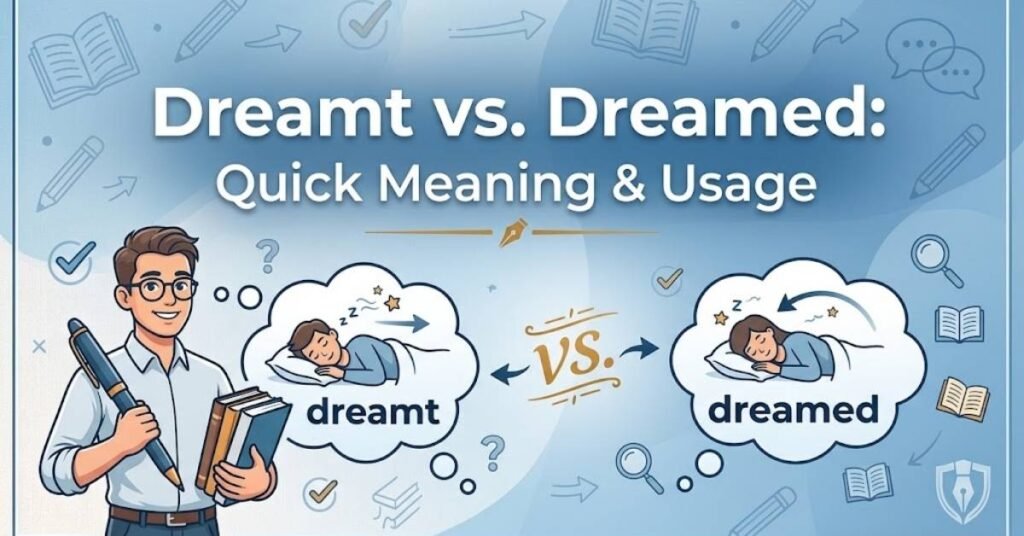
Many people wonder whether dreamt or dreamed is the correct choice. The simple answer is that both are correct. They are the past tense and past participle forms of the verb dream. The only real difference is style and region, not meaning. If you’re looking for the dreamt meaning, it refers to experiencing thoughts, images, or sensations during sleep. It can also describe imagining a future goal or wishing for something special.
In American English, dreamed is more common because it follows the regular verb pattern with the -ed ending. In British English, dreamt is still widely used and sounds slightly more literary or traditional.
Simple Examples:
- I dreamed about my childhood home last night.
- She dreamt of becoming a doctor.
- We always dreamed of traveling together.
- He never dreamt of winning the award.
- They dreamed big and worked hard.
- I dreamt about you yesterday.
- She daydreamed during class.
Conversation Example
Emma: Did you sleep well?
Jake: Yes. I dreamt I was flying over the ocean.
Emma: That sounds amazing!
Origin & Background
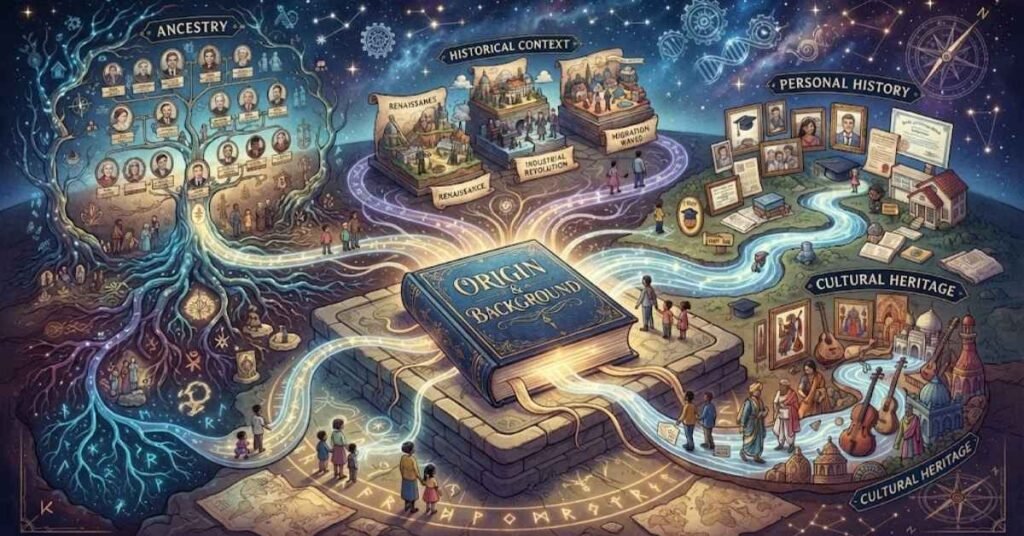
The dreamt meaning has stayed the same for centuries even though the spelling changed over time. The word dream comes from the Old English word drēam, which originally meant joy or music. As English grammar evolved, the meaning shifted to dreams during sleep and personal hopes for the future.
The difference between dreamt and dreamed comes from verb evolution. Dreamed follows a regular verb pattern with an -ed ending. Dreamt follows an irregular verb pattern, much like learnt and burnt. Both forms are accepted in standard English, so you can choose either one as long as you stay consistent.
Evolution Over Time:
- Old English: drēam
- Earlier English kept more irregular verb forms.
- British English still prefers dreamt.
- American English favors dreamed.
- Global English accepts both spellings.
- Modern writing often uses dreamed for clarity.
Conversation Example
Student: Is dreamt outdated?
Teacher: No. It is still correct, especially in British English.
Real-Life Conversations
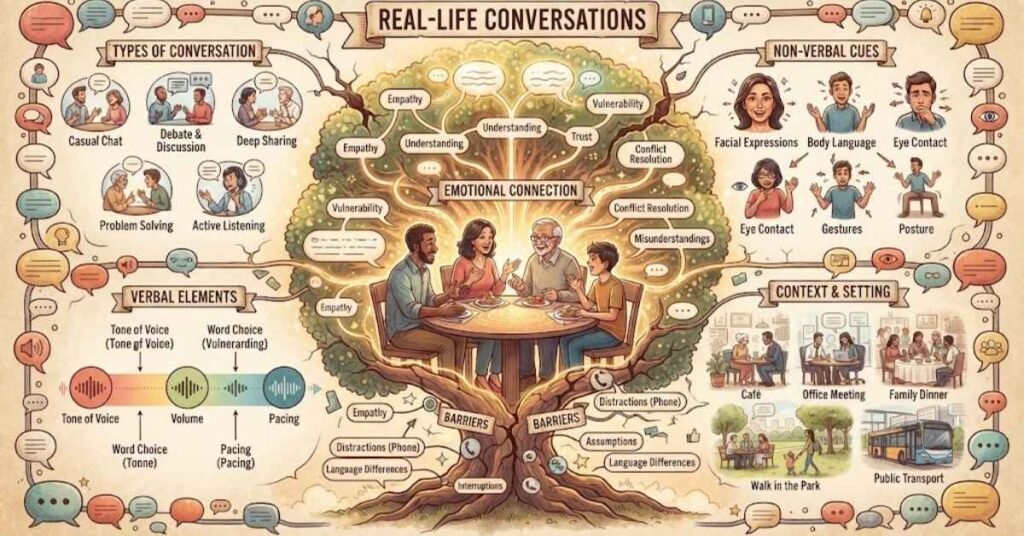
You will see both dreamt and dreamed in everyday conversation, books, movies, social media, and even SEO content. The choice often depends on your audience. Writers in the U.S. usually choose dreamed, while many British writers still use dreamt. Understanding the dreamt meaning helps you sound more natural in different situations.
Whether you’re sending a quick message or writing a story, both forms express the same idea. Pick the version that matches your writing style and use it consistently throughout your text.
WhatsApp Chat
Alex: I had the strangest dream last night.
Mia: Really? What happened?
Alex: I dreamt I was climbing a mountain.
Mia: That sounds unforgettable.
Instagram DMs
Olivia: You finally launched your business!
Ryan: Thanks! I always dreamed of this day.
Olivia: You earned it.
Text Message
Liam: I dreamed about my old school yesterday.
Sophia: Maybe you’re feeling nostalgic.
Liam: I think you’re right.
Emotional & Psychological Meaning
The dreamt meaning goes beyond sleep. Dreams often reflect your subconscious thoughts, emotions, fears, and hopes. Some people have vivid dreams, while others experience recurring dreams or even a nightmare. You may also daydream about your future, imagine success, or picture a life goal before it becomes real.
People often use dreamed when talking about ambitions and dreamt when telling emotional or poetic stories. Both words can describe hope, imagination, ambition, aspiration, and a strong emotional connection. The meaning stays the same even if the tone feels slightly different.
Key Points
- Dreams can reflect unconscious thoughts.
- They often represent hope and imagination.
- Some dreams reveal long-term desires.
- Others help process memories and emotions.
- Both dreamt and dreamed express the same core meaning.
Conversation Example
Chris: I dreamed of success for years.
Noah: Now you’re finally living that dream.
Why People Connect With It:
The dreamt meaning connects with people because dreams often feel personal, emotional, and memorable. When someone says they “dreamt” something, they usually share a thought, hope, fear, or imagination.
People use this word when talking about:
- A dream they saw while sleeping.
- A goal they always wanted to achieve.
- A wish they imagined in life.
Example:
Person A: “I dreamt about my childhood home last night.”
Person B: “That sounds like a meaningful memory.”
The word creates an emotional connection because dreams are linked with creativity, feelings, and personal experiences. Whether someone says “dreamt” or “dreamed,” the message often carries a sense of imagination and reflection.
Usage in Different Contexts
The word dreamt meaning changes slightly depending on the situation. It can describe real dreams during sleep or personal hopes for the future.
People use it in many areas:
- Personal conversations.
- Social media posts.
- Stories and books.
- Professional discussions.
Example:
“I dreamt of becoming a doctor.”
Here, “dreamt” refers to a long-term ambition.
“I dreamt that I was flying.”
Here, it describes a sleeping experience.
The context helps listeners understand whether someone is talking about an actual dream or a life goal.
Social Media
On social media, people often use “dreamt” when sharing emotional memories, wishes, or creative thoughts.
Common examples include:
- Dream captions.
- Travel wishes.
- Life goals.
- Inspirational posts.
Example:
“I dreamt of visiting Paris, and now I finally made it.”
Many users choose “dreamt” because it sounds poetic and expressive. It adds a storytelling feeling to captions and personal posts.
However, American social media users often prefer “dreamed” because it is more common in everyday writing.
Friends & Relationships
Among friends and family, “dreamt” is usually used for sharing personal experiences or feelings.
Examples:
“I dreamt about you last night.”
“I dreamt we were traveling together.”
In relationships, the word can create emotional conversations because dreams are often connected with memories and imagination.
Friends may discuss:
- Strange dreams.
- Future plans.
- Childhood wishes.
- Romantic thoughts.
The meaning depends on the conversation. Sometimes it refers to sleep, while other times it describes hopes and desires.
Work or Professional Settings
In professional settings, “dreamt” is less common but still acceptable. People usually use “dreamed” because it sounds more natural in American business communication.
Examples:
Less common:
- “I dreamt of creating this company.”
More common:
- “I dreamed of creating this company.”
However, “dreamt” may appear in speeches, interviews, or storytelling because it creates an emotional tone.
For formal writing:
- Use “dreamed” for a standard American style.
- Use “dreamt” when you want a literary or personal feeling.
Casual vs Serious Tone
Both “dreamt” and “dreamed” can work in casual and serious conversations.
Casual example:
“I dreamt about eating pizza all night.”
Serious example:
“She dreamt of changing the world.”
The difference is usually about style, not meaning.
- “Dreamt” often feels more traditional or emotional.
- “Dreamed” feels more modern and common.
Writers may choose “dreamt” when they want their words to sound more artistic or memorable.
Common Misunderstandings
Many people think “dreamt” and “dreamed” have completely different meanings. This causes confusion among English learners.
The truth is simple:
- Both words are past tense forms of “dream.”
- Both can describe sleep dreams.
- Both can describe hopes and ambitions.
Example:
“I dreamt of success.”
“I dreamed of success.”
Both sentences have the same meaning.
The main difference is regional preference and writing style. “Dreamed” is more common in American English, while “dreamt” is often seen in British English.
“One is correct and the other is wrong”
This is one of the biggest myths about these words.
Many learners believe:
- Dreamt = wrong.
- Dreamed = correct.
That is not true.
Both forms are grammatically correct.
Examples:
- “I dreamt about my old school.”
- “I dreamed about my old school.”
Both sentences are acceptable.
The choice depends on:
- Country.
- Writing style.
- Personal preference.
English often has multiple correct forms, and this is one example.
“Dreamt is outdated”
Some people think “dreamt” sounds old-fashioned. While it is less common in some regions, it is still widely used.
You can find “dreamt” in:
- British books.
- Literature.
- Poetry.
- Personal writing.
Example:
“She dreamt of a better future.”
The word is not outdated. It simply has a different style compared with “dreamed.”
In American English, “dreamed” dominates everyday conversations, but “dreamt” remains correct and understandable.
“They have different meanings”
Another common misunderstanding is that “dreamt” and “dreamed” describe different types of dreams.
They do not.
Both words can mean:
- A dream during sleep.
- A strong desire.
- A future ambition.
Examples:
“I dreamed about a strange place.”
“I dreamt about a strange place.”
Meaning remains the same.
The difference is mainly grammar style and regional usage.
When NOT to Use:
Although “dreamt” is correct, there are situations where “dreamed” may sound more natural.
Avoid using “dreamt” when:
- Writing for a modern American audience.
- Creating business documents.
- Writing simple educational content for beginners.
Example:
Professional:
“I dreamed of building a successful brand.”
This sounds more natural to many American readers.
For emotional storytelling, however, “dreamt” can still be a good choice.
Comparison Table
| Feature | Dreamt | Dreamed |
| Grammar | Correct past tense | Correct past tense |
| Meaning | Same as dreamed | Same as dreamt |
| Common in | British English | American English |
| Style | Traditional, literary | Modern, everyday |
| Usage | Stories and personal writing | Business and general writing |
Key Insight:
The main dreamt meaning is the same as “dreamed.” The difference is not about correctness but about style and regional preference.
Remember:
- Dreamt = shorter, often British style.
- Dreamed = more common globally, especially in America.
Variations / Types
The word “dream” has different forms depending on grammar.
Common variations include:
- Dream (present form): “I dream about success.”
- Dreamed (past form): “I dreamed about success.”
- Dreamt (past form): “I dreamt about success.”
- Dreaming (continuous form): “I am dreaming about success.”
Different types of dreams include:
- Sleeping dreams.
- Future dreams.
- Career dreams.
- Personal goals.
- Creative ideas.
Example:
“My dream is to become a writer.”
“I dreamt about writing a book.”
The first shows a goal, while the second describes a past dream experience.
How to Respond When Someone Uses It
When someone uses “dreamt,” your response depends on the situation. You can reply emotionally, casually, or respectfully.
The meaning behind the word often matters more than the grammar.
Example:
Person A:
“I dreamt about my old friends.”
Possible reply:
“That must have brought back some memories.”
Good responses focus on the story instead of correcting the word choice.
Casual Replies
For everyday conversations, simple replies work best.
Examples:
Person: “I dreamt about traveling yesterday.”
Reply:
- “That sounds exciting!”
- “Where did you go in your dream?”
- “I hope it becomes real someday.”
Casual replies show interest and keep the conversation friendly.
You do not need to mention grammar because “dreamt” is already correct.
Funny Replies
Dream conversations can be playful too.
Examples:
Person: “I dreamt I was a millionaire.”
Funny replies:
- “Your dream knows your future!”
- “Wake up and start working!”
- “Did your dream include sharing the money?”
Humor works well when talking with close friends.
The goal is to enjoy the conversation, not analyze the word.
Mature / Confident Replies
A mature response focuses on the meaning behind the dream.
Examples:
Person: “I dreamt of achieving my goals.”
Replies:
- “Keep working toward it.”
- “That vision can become reality.”
- “Great dreams create great motivation.”
These responses encourage growth and show emotional understanding.
Private / Respectful Replies
Some dreams are personal or emotional. A respectful response is better in these situations.
Examples:
Person: “I dreamt about someone I lost.”
Replies:
- “That sounds like a special memory.”
- “I hope the dream brought you comfort.”
- “Thank you for sharing that with me.”
Respectful replies create trust and kindness.
Regional & Cultural Usage
The use of “dreamt” and “dreamed” changes across cultures and languages.
Some regions prefer traditional English forms, while others use modern American styles.
Factors include:
- Education systems.
- Media influence.
- Local English usage.
- Internet trends.
Both words are understood worldwide.
The emotional meaning remains the same, even when people choose different forms.
Western Culture
In Western English-speaking countries, usage depends on location.
British speakers often use:
- “Dreamt”
- “Dreamt about”
American speakers usually prefer:
- “Dreamed”
- “Dreamed about”
Example:
UK:
“I dreamt about my vacation.”
US:
“I dreamed about my vacation.”
Both are natural and correct.
Asian Culture
In many Asian countries, English is learned through schools and international media.
People often learn both forms but may prefer “dreamed” because American English is common online.
Examples appear in:
- Education.
- Social media.
- Workplace communication.
Many Asian English users understand “dreamt” but may use “dreamed” more frequently.
Middle Eastern Culture
In Middle Eastern countries, English learners often encounter both British and American English.
“Dreamt” may appear through British textbooks and traditional learning materials.
“Dreamed” is common through:
- American media.
- Online platforms.
- International businesses.
Both forms are accepted in communication.
Global Internet Usage
The internet has made both words popular worldwide.
Social media, blogs, and videos use:
- Dreamt meaning.
- Dreamed meaning.
- Dream quotes.
- Inspirational messages.
Online trends often favor “dreamed” because American English dominates many digital platforms.
However, “dreamt” remains popular in:
- Quotes.
- Poetry.
- Creative writing.
- Emotional captions.
Both words continue to exist globally with the same meaning.
Conclusion
The dreamt meaning is important because it helps you understand how this word works in real conversations. The dreamt meaning shows that dreamt can describe sleeping dreams, personal hopes, and future goals. When you know the dreamt meaning, you can choose the right word with confidence. Both dreamt and dreamed are correct, but style and region can change the choice.
Learning about the dreamt meaning makes your English clearer and more natural. The dreamt meaning is easy to remember when you focus on context and usage. Whether you say dreamt or dreamed, the dreamt meaning remains connected to dreams and ambitions. Keep the dreamt meaning in mind while writing or speaking because the correct choice depends on your audience and style. This understanding of dreamt meaning will help you communicate better and avoid common mistakes in everyday English with ease.
FAQs
1. Is dreamt grammatically correct?
Yes, dreamt is grammatically correct and the dreamt meaning is the same as dreamed. It is an accepted past form of the verb dream.
2. Which is better: dreamt or dreamed?
Both are correct, but the dreamt meaning depends on style and region. Dreamed is more common in American English today.
3. Do dreamt and dreamed have different meanings?
No, both words share the same dreamt meaning and describe dreams or hopes. The difference is mainly based on usage preferences.
4. Is dreamt more formal?
Dreamt is not more formal, but the dreamt meaning can sound traditional. It often appears in British English and creative writing.
5. Should I use dreamed in exams?
Yes, dreamed is usually a safe choice in exams. However, the dreamt meaning remains correct in proper English writing.
6. Why do Americans say dreamed more?
Americans prefer dreamed because it is more common in daily speech.
The dreamt meaning stays the same in American English.
7. Can I use both in the same article?
Yes, you can use both if the context feels natural. The dreamt meaning remains unchanged when choosing either form.

Matt Henry is a writer and researcher at Trexoleen, specializing in text meanings, slang, abbreviations, acronyms, and modern internet language. He is passionate about making confusing terms simple and easy to understand.