
You typed “heros” in a caption, then paused. Something felt off.Here’s the short answer. Heroes is correct. Heros is a common spelling confusion, not an accepted plural form. If you remember nothing else from this piece, remember that one line.
Now let’s get into why English works this way, where people trip up, and how to use hero and heroes with total confidence, whether you’re texting a friend or writing a professional email.
Heros or Heroes – Quick Meaning
Simple Definition
Hero is the singular form. It means someone admired for courage, achievement, or plain kindness. Heroes is the plural form, used when you’re talking about more than one such person.
Grammar rules for nouns ending in “o” aren’t always predictable. Some just add -s, others need -es, and hero happens to fall into the second camp.
Quick Examples
Firefighters running into a burning building are heroes. So are the teachers, nurses, and parents who show up quietly, day after day.
- “My mom and dad are my heroes.”
- “The rescue team became local heroes overnight.”
- “Superheroes save cities. Real heroes save someone’s whole day.”
Origin & Background
The word hero traces back to Ancient Greek, where it described figures with semi-divine qualities and extraordinary courage. Think Hercules or Achilles, names still tied to Greek mythology and larger-than-life bravery.
Over centuries, traditional English grammar absorbed the word and shaped its plural using standard spelling rules. That’s how we ended up with heroes instead of heros, even though “heros” looks tempting to type.
Historical heroes carried enormous cultural meaning. That weight hasn’t disappeared. It just shows up differently now, in everyday acts of kindness rather than epic battles.
Real-Life Conversations

Grammar rules feel dry until you see them in the wild. Here’s how the heroes vs heros mix-up actually plays out across daily chats.
WhatsApp Chat
“Bro you’re one of my heros fr” is a message you’ve probably seen. It reads fine in a rushed WhatsApp chat, but the spelling is still off.
Fast typing and autocorrect habits on phones don’t always catch this one. Autocorrect assumes you know the word, so it lets the mistake slide right through.
Instagram DM
Instagram DM conversations move quickly, and grammar takes a back seat to speed. Someone might write “you and your sister are literally my heros” without a second thought.
That’s fine between friends. It just won’t fly the same way in a LinkedIn post or a school assignment.
TikTok Comments
Scroll through TikTok comments under any video about frontline workers, and you’ll spot “heros” everywhere. Internet culture has its own rhythm, and correctness often loses to speed.
This is part of why common spelling mistakes spread so fast online. One comment gets copied in tone by a hundred others, typo included.
Text Message
A quick text message like “ur my hero” (singular) is grammatically fine. Add a second person into that sentence, though, and you need heroes, not heros.
Casual doesn’t mean careless forever. It just means the stakes are lower until that same habit sneaks into something formal.
Emotional & Psychological Meaning
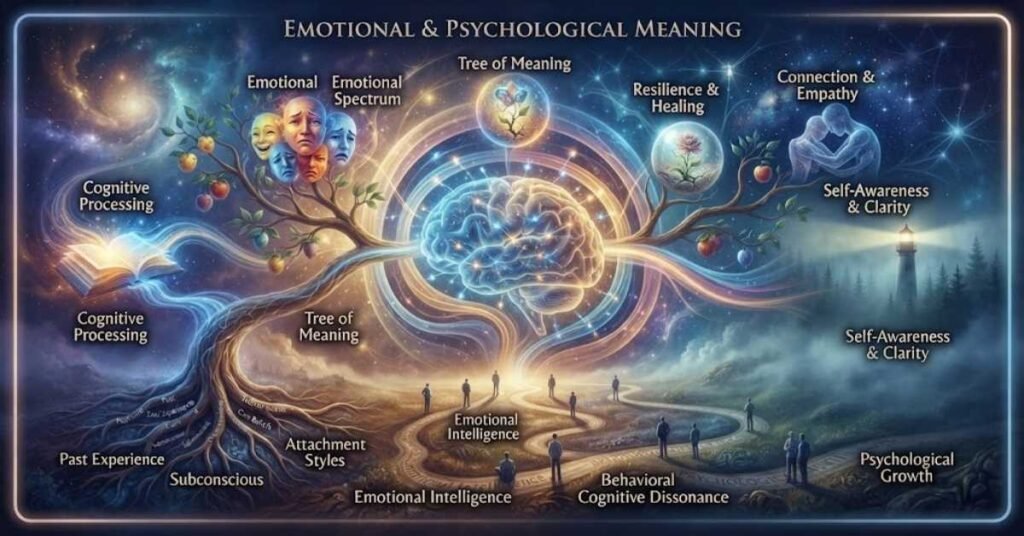
Calling someone a hero isn’t just a grammar exercise. It carries real emotional connection and psychological meaning, tied to gratitude, respect, and sometimes quiet motivation.
When you tell a friend “you’re my hero,” you’re handing over genuine appreciation. That single word can spark confidence in the person receiving it, especially if they never expected the recognition.
Public admiration for heroes, real or fictional, also builds unity. Groups rally around shared heroes the way fans rally around a team, and that sense of public recognition matters more than we usually admit.
Usage in Different Contexts
The same word bends depending on where you use it. Correct usage in one setting might sound stiff, or too casual, somewhere else.
Social Media
Social media posts thrive on emotion, and “heroes” fits naturally into Instagram captions thanking frontline workers or family. Viral usage of the word tends to spike after big news events.
Examples
- “Our healthcare heroes deserve more than applause.”
- “Shoutout to the unsung heroes behind every school play.”
Friends & Relationships
Between friends, hero often means someone who simply showed up. Maybe they helped you move, or sat with you during a rough week.
Examples
- “You’re honestly a hero for driving me to the airport at 4am.”
- “My best friends are my heroes, they never let me spiral alone.”
Work or Professional Settings
In business writing and professional email, “heroes” appears more sparingly, and usually with intention. It’s the language of recognition, not small talk.
Examples
- “Our customer support teams were true heroes during the outage.”
- “This project’s heroes worked overtime without complaint.”
Casual vs Serious Tone
Casual conversations forgive almost anything, including a stray “heros.” Professional writing offers no such grace, since writing credibility depends on getting basics right.
Key Insight
If you wouldn’t use “heros” on a resume, don’t build the habit anywhere near your LinkedIn writing either. Consistency protects your credibility more than people realize.
Common Misunderstandings
Most people who write “heros” aren’t careless. They’re following patterns that feel logical, even when English disagrees.
1. Thinking “heros” Looks More Natural
Plenty of native speakers assume dropping the “e” mirrors words like photo, so heros feels like a shortcut. English, unfortunately, doesn’t apply one rule evenly across every nouns ending in “o”.
2. Confusing It With Similar Words
Some people blend “hero” with unrelated spellings they’ve seen elsewhere, and the mix-up sticks. This is one of the more common spelling confusion patterns tied to this word.
Examples
- Mixing hero with “zero,” which does become “zeros” or “zeroes” depending on style.
- Assuming “hero” behaves like “photo,” which simply adds an s.
3. Assuming Informal Internet Usage Makes It Correct
Just because informal usage looks widespread doesn’t make it standard. Online comments repeating a mistake don’t change Standard English.
4. Using It Incorrectly in Professional Writing
A grammar mistake like this can quietly chip away at how polished your writing appears. In business communication, small errors get noticed more than people expect.
Comparison Table
Seeing the pattern laid out side by side usually settles the confusion for good.
| Singular | Correct Plural | Incorrect Spelling |
| Hero | Heroes | Heros |
| Potato | Potatoes | Potatos |
| Tomato | Tomatoes | Tomatos |
| Photo | Photos | Photoes |
| Piano | Pianos | Pianoes |
Key Insight
Words ending in “o” split into two camps. Some, like photo and piano, simply add -s. Others, like hero, potato, and tomato, add -es. There’s no shortcut formula, so recognizing hero’s category is the real fix.
Variations & Related Types
Heroes come in more shapes than the word first suggests. Each version carries its own flavor of meaning.
1. Superheroes
Superheroes dominate movie characters and comics, built around powers and dramatic rescues.
2. Everyday Heroes
Everyday heroes don’t wear capes. They’re the neighbors, coaches, and volunteers doing quiet good work.
3. Unsung Heroes
Unsung heroes rarely get credit, yet their impact runs deep, often behind the scenes.
4. Local Heroes
Community heroes at the local level might be a shop owner who fed people for free during hard times.
5. National Heroes
National heroes get remembered in history books, tied closely to freedom fighters and major turning points.
6. Childhood Heroes
Your childhood heroes might be cartoon characters, or maybe a grandparent who felt larger than life.
7. Action Heroes
Action heroes fill blockbuster films, built for chase scenes and impossible stunts.
8. Tragic Heroes
Tragic heroes carry flaws that eventually bring them down, a classic storytelling device.
9. Internet Heroes
Internet heroes rise fast through memes or a single viral clip that captures something universal.
10. Personal Heroes
Personal heroes are yours alone, shaped by your own story and personal admiration.
How to Respond When Someone Uses It
Someone calls you a hero. Now what? The right reply depends entirely on the mood.
Casual Replies
“Ha, just doing my job” keeps things light. So does “someone had to save the day.”
Funny Replies
“Careful, my cape’s at the dry cleaner” adds a little humor without overthinking it.
Mature & Confident Replies
“I appreciate that, means a lot coming from you” lands well when the moment feels genuine.
Private or Respectful Replies
A simple “thank you, that’s kind of you to say” works when the setting feels more formal or intimate.
Regional & Cultural Usage
The idea of a hero shifts depending on where you grew up, shaped by different cultural meaning and values.
Western Culture
Western culture often celebrates legends and champions, individual achievement, and public honor.
Asian Culture
Asian culture frequently ties heroism to family sacrifice, discipline, and academic success over personal glory.
Middle Eastern Culture
Middle Eastern culture often connects heroism to loyalty, protection, and strong family responsibility.
Global Internet Usage
Global internet usage blends all of it together, creating a shared, borderless idea of what makes someone a hero.
Conclusion
Heroes, not heros, is the spelling English has settled on. Once you see the plural category hero belongs to, the confusion mostly disappears.
Whether you’re texting, posting, or writing a blog article, getting this right adds a small but real layer of professionalism. And honestly, the people you call heroes deserve the correct spelling anyway.
FAQs
Why does hero become heroes?
It follows a grammar pattern shared by several nouns ending in “o”, which require -es rather than just -s.
Is heroes used only for brave people?
No. Heroes can describe anyone admired for kindness, support, or resilience, not just dramatic bravery.
Can heroes refer to fictional characters?
Yes. Fictional characters and movie characters are commonly called heroes across books, films, and games.
Why do people still write heros online?
Autocorrect habits, speed, and informal usage on platforms like TikTok and Instagram keep the mistake alive.
Is heroes formal or informal?
It works in both. Heroes fits casual chats just as naturally as it fits professional writing.

Matt Henry is a writer and researcher at Trexoleen, specializing in text meanings, slang, abbreviations, acronyms, and modern internet language. He is passionate about making confusing terms simple and easy to understand.